

Bringing a River Back to Life: The Kissimmee River Restoration Story
- Apr 1
- 3 min read
Updated: Apr 6
April x, 2026

What if a river that was once erased could come back to life? The Kissimmee River – the beginning the Everglades watershed – proves it can.
What Is the Kissimmee River Restoration Project?
Once a meandering, lively river flowing through Central Florida, the Kissimmee River was drastically altered in the 1960s when engineers dug a 56-mile canal known as the C-38. Although the goal of the C-38 was flood control, some of its unintended consequences were devastating.
Wetlands dried up, fish and bird populations plummeted, and the natural storage and filtering function of the floodplain was lost. Recognizing the damage, scientists and policymakers set out to reverse this mistake.

The Kissimmee River Restoration Project, led by the U.S. Army Corps of Engineers and the South Florida Water Management District, became one of the most ambitious river restoration efforts in the world, and a cornerstone of Everglades restoration.
A Brief History of the Kissimmee River’s Transformation
Restoration of the Kissimmee River began in 1999 and spanned more than two decades. The restoration team set out to re-create the river’s original, winding path by:
Backfilling 22 miles of the C-38 Canal.
Restoring 44 miles of the river’s natural channel.
Rehydrating more than 40 square miles of floodplain.
Acquiring 100,000+ acres of land to restore natural flow and the river’s flood plain.
Removing and modifying water control structures to reconnect the system.
By 2021, the project was complete, with its success showcasing the power of collaboration, science, and persistence.

The Results and Benefits When Nature is Able to Heal
Once water began flowing through its original channel and allowing wet season flows to fill its floodplain wetlands, the Kissimmee River came back to life, bringing ecosystem and community benefits with it.
Return of Plants and Wildlife: Wetland plants returned, followed by fish like largemouth bass and sunfish, and flocks of waterfowl and wading birds like white ibis and black-necked stilts soared over the revived floodplain.
Improved Water Quality: Water quality improved as dissolved oxygen levels rose, and sandbars and natural habitats reappeared. The floodplain once again acts as a natural sponge, storing water during storms and filtering it before it flows into Lake Okeechobee, helping protect downstream ecosystems.
The Kissimmee River Restoration Evaluation Program continues to monitor these successes, documenting sustained ecological recovery year after year.
What the Kissimmee River Teaches Us
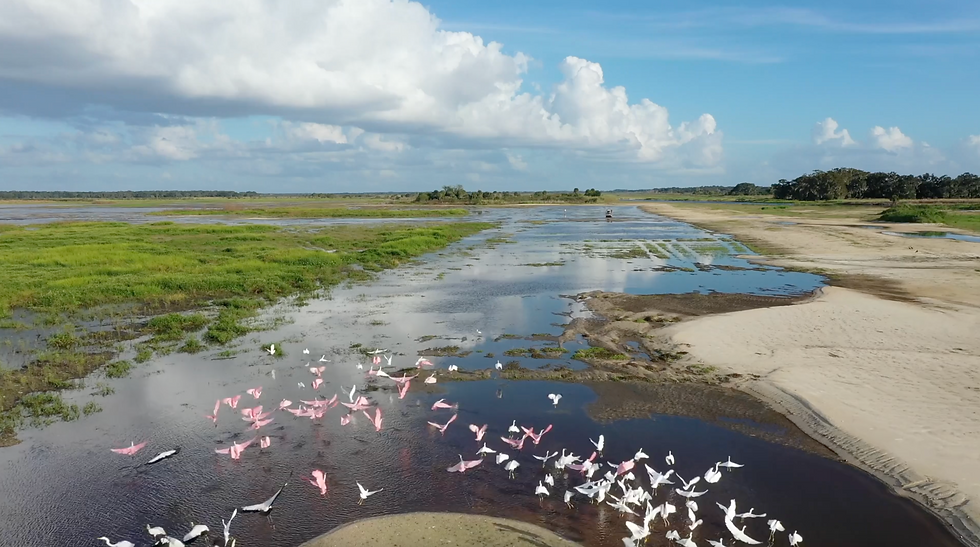
The Kissimmee River’s story is a powerful reminder that restoration works. Even decades after being altered, the river’s natural design remained etched in the landscape, waiting for the chance to flow again. When the canal was filled in, the river quickly found its old path – and with it, life returned.
As we continue working to restore America’s Everglades, the Kissimmee stands as a shining example that when we give nature the opportunity to heal, it will. Restoration works!
Watch the Episode
[video embed]
Want to learn more?
You’re in the right place. For more than 30 years, The Everglades Foundation has been the premier organization fighting to restore and protect the precious Everglades ecosystem through science, advocacy, and education.
Join the movement to restore and protect the global treasure that is America’s Everglades. Sign up to learn more. Follow us on Facebook, Instagram, LinkedIn, YouTube, and X (formerly Twitter). Give a gift of any amount you can to support our mission at EvergladesFoundation.org/Donate.


Comments